Implant Supported Dentures: The Secure Solution for Missing Teeth
Losing teeth changes more than your smile. Chewing gets harder. Talking feels different. And honestly, it can knock your confidence, too.
That’s why so many people are turning to implant supported dentures. They’re not your grandparents’ dentures. This stays fixed in place, feels closer to real teeth, and doesn’t come with that constant worry of slipping.
So, What Exactly Are They?
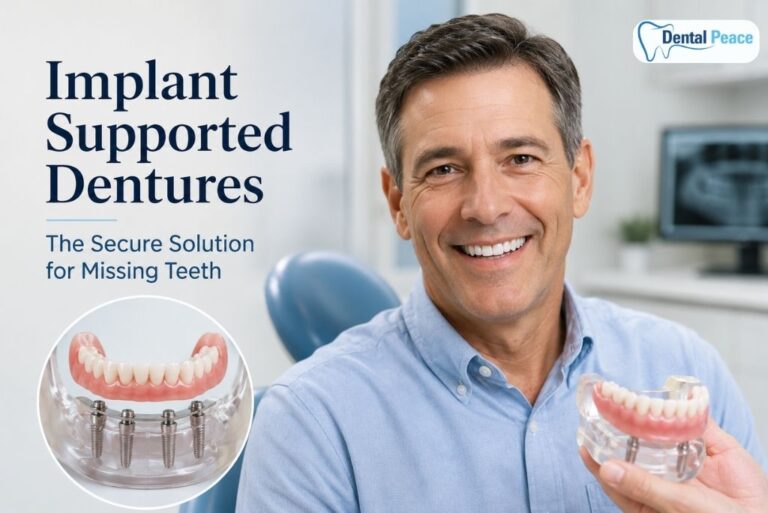
Think of it as the best of two worlds. You get the stability of dental implants combined with the full coverage of a denture.
A few small titanium posts go into the jawbone. Once the bone heals around them (this takes a little time), a custom denture clips onto those posts. No glue. No daily adhesive routine. Just a denture that actually stays where it’s supposed to.
People often land here after years of dealing with traditional dental treatment that just wasn’t cutting it anymore.
Is This the Right Fit for You?
Not everyone needs implant-supported dentures right away, but you're a strong candidate if:
You’ve lost most or all of your teeth in one jaw
Your current dentures move around when you eat or speak
You’re tired of reapplying adhesives every morning
You have decent bone density (or are willing to do a bone graft first)
Sometimes a tooth or two needs to come out before implants can even be considered. If that’s you, this piece on molar tooth extraction walks through what that process actually looks like.
What the Process Actually Involves
It’s not a one-appointment fix, and that’s okay. Good dental work takes time.
Here's the rough timeline:
Your dentist checks bone health with scans and X-rays.
Implants get placed surgically into the jaw.
You wait a few months while the bone fuses to the implant.
Regular dentures sit on your gums, and your gums change shape over the years. That’s exactly why dentures eventually feel loose, even when they fit perfectly at first.
Implant-supported dentures get around that by attaching to something fixed. The difference shows up in real ways – better bite force, less bone loss over time, and far fewer sore spots from rubbing.
If your gums need a little help first, treatments like gum surgery or care for receding gums are usually sorted out before moving ahead with implants.
Looking After Them
Once you have them, the upkeep isn't complicated:
Clean around the implants daily, just like real teeth
Keep up with regular dentist visits
Go easy on super hard foods at first
Mention any looseness right away instead of waiting it out
Staying on top of preventive dentistry helps catch small issues early. And don’t ignore the teeth you still have naturally – a bit of fluoride treatment goes a long way in keeping them strong.
Finding Someone Who Knows This Procedure Well
This isn’t something every clinic handles often, so experience matters. If you’re still hunting for the right person, this guide on the best dentist near me is a good place to start. Or browse a dental care clinic near me if you’d rather keep things local.
Final Thoughts
Implant supported dentures aren’t just another dental trend. They genuinely fix the biggest frustrations people have with traditional dentures – the slipping, the discomfort, the constant adjustments.
If this sounds like what you’ve been needing, Visit Dental Peace or reach out to talk it through. We’re happy to help you figure out if it’s the right move for your smile.
Location:
C2/252, Kundapura, C-2 Block, Janakpuri, New Delhi, Delhi, 110058