Dental Sealants : Prevent Cavities & Protect Your Teeth
Most cavities don’t start where you’d expect. They start in the little grooves on your back teeth – the ones your toothbrush practically skips over no matter how hard you try. Food gets wedged in there, bacteria move in, and before you know it, you’ve got a filling to schedule. Dental sealants exist mainly to stop that cycle before it starts.
What's Actually Going on Here
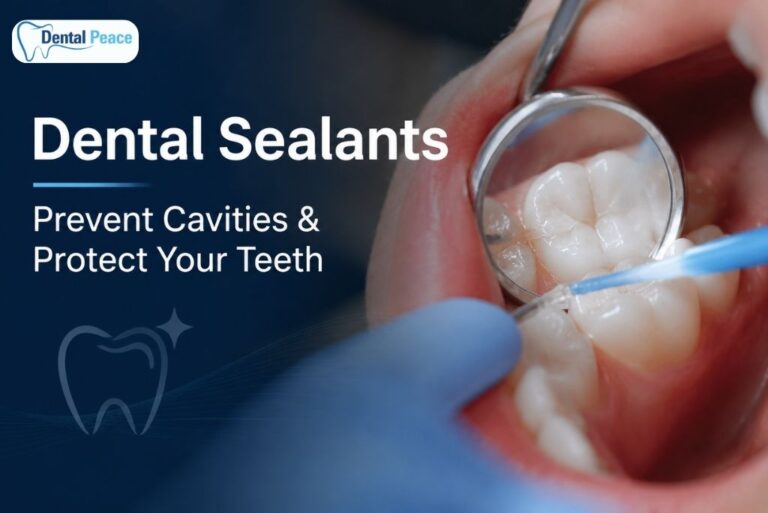
A sealant is just a thin coating painted onto your molars. It sits inside those deep grooves and blocks off the spaces where plaque loves to hide. There’s no drilling involved, and honestly, most people barely notice it happening. You sit down, it’s done in minutes, and you’re back to your day.
Not sure if this applies to you? A dental examination will tell you pretty quickly whether sealants are worth considering or if something else needs attention first.
Who Tends to Need Them
Kids and teens are the usual candidates - their molars are new, and new molars are exactly where trouble likes to start. But that's not the whole story. Plenty of adults get sealants too, particularly if:
Their molars have unusually deep grooves
They’ve had repeat cavities despite decent brushing habits
They just want one less thing to worry about
It also helps that the process fits right into painless dentistry, so there’s really no reason to put it off out of fear.
How It's Done
There's not much to it, which is kind of the point:
The tooth gets cleaned and dried
A gel roughens the surface a bit so the sealant grips
The material gets painted on
A light cures it in seconds
And that’s the whole appointment. No numbing needed, no recovery time.
Why It's Worth Doing
A few reasons people go this route:
It meaningfully lowers cavity risk in molars
It’s a fraction of the cost compared to a future filling or root canal
There’s no pain and no disruption to eating or talking afterward
It holds up for years with basic care
Dental sealants aren’t flashy, but they quietly do a lot of the heavy lifting when it comes to prevention – the kind of thing that pairs naturally with complete dental care rather than replacing it.
They're Not a Substitute for Brushing
Worth saying clearly: sealants don’t let you off the hook for brushing and flossing. Skip your routine, and decay finds other ways in. Left alone long enough, that can turn into gum inflammation, or worse, a decision between saving a tooth with a root canal or just pulling it. Sealants just make that outcome a lot less likely.
How Long They Actually Hold Up
Somewhere between three and ten years, generally. It depends on your habits and how often you get checked. Your dentist will keep an eye on wear during regular visits and touch things up if needed.
Are They Safe?
Yes – this isn’t new territory. The materials have been used safely for decades, and nothing about the process removes healthy tooth structure. It’s about as low-risk as dental treatments get.
When's the Right Time to Get Them?
Dentists usually recommend sealants soon after molars come in, since that’s when grooves are deepest and most vulnerable. For kids, this often means around age six and again around twelve. Adults can still benefit anytime, though earlier is generally better for long-term protection.
Final Thoughts
You don’t need a big procedure to protect your smile. Sometimes it really is this simple – a coating, a few minutes, years of protection.
If you’re curious whether dental sealants make sense for you or your kids, Dental Peace can help you figure that out. Take a look at our services or read more about our clinic to get a sense of how we work.
Location:
C2/252, Kundapura, C-2 Block, Janakpuri, New Delhi, Delhi, 110058