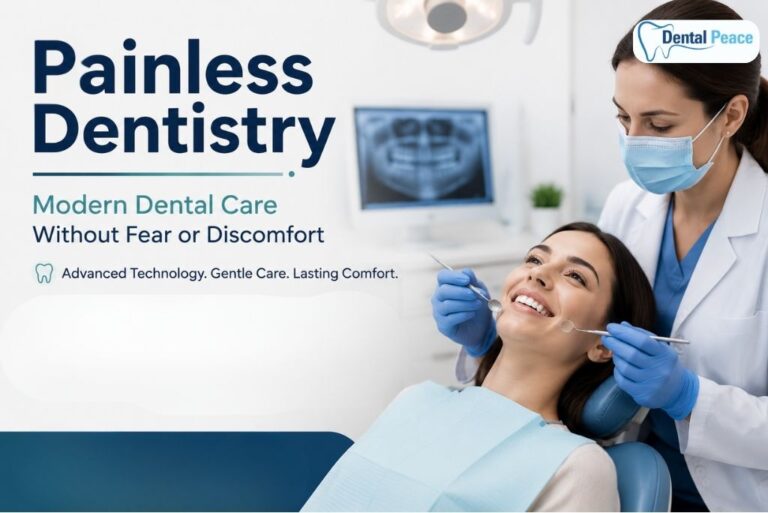
Painless Dentistry: Modern Dental Care Without Fear or Discomfort
Most of us grew up scared of dentists. The whir of the drill, the smell of the clinic, that needle waiting on the tray. Painless dentistry has quietly rewritten that whole experience, and honestly, it’s about time.
So, What Does "Painless" Actually Mean?
It’s not a marketing buzzword. Painless dentistry is a real shift in how treatment is delivered. Better numbing, gentler tools, and dentists who actually explain what’s happening before they touch a single tooth.
Take extractions. People still ask does tooth extraction hurt, and the answer surprises most of them. With proper anesthesia, you feel pressure at worst. Pain just isn’t part of the deal anymore. The shift happened gradually, but it’s now the standard most good clinics work toward.
The Tools Behind the Comfort
A few things make this possible, and none of it is magic:
Computer controlled anesthesia that drips slowly, so you barely feel the needle
Rotary endodontic files that finish root canals faster, with far less vibration
Lasers that cut soft tissue cleanly, often skipping stitches entirely
Sedation for patients who’d rather sleep through the whole thing
3D scans that map your mouth before any drilling starts
Even bigger procedures benefit. Wisdom teeth removal used to mean days of swelling. Now recovery is shorter, and the procedure itself barely registers. Dentists also spend more time walking patients through each step, which on its own takes the edge off most anxiety.
It's Not Just for Surgery
Here's the part people miss. Painless dentistry shows up in the small stuff too. A chipped molar, a sensitive gum line, even your six month cleaning.
Preventive dentistry catches problems before they turn into something that hurts
Sore gumsget treated early, instead of being ignored until they flare up
Teeth scaling feels routine now, not like a punishment for skipping flossing
Even fillings, which used to mean a long buzz of drilling, are quicker and far gentler with today’s equipment.
Why This Actually Matters
Fear keeps people away from dentists. That's the real cost of "ouch" stories passed down from parents to kids. Once that fear is gone, things change:
People stop pushing appointments off for months
Small issues get caught while they’re still cheap and easy to fix
Kids grow up without the dread their parents had
Recovery after procedures like gum surgery is quicker, with less swelling to deal with
It sounds simple, but comfort changes behavior. And behavior changes outcomes. Patients who aren’t afraid tend to come back regularly, which means problems rarely get the chance to turn serious.
Picking a Clinic That Gets It
Not every dental office takes this seriously. Some still run on outdated equipment and rushed appointments. If you're looking for a dental care clinic near me, pay attention to a few things:
Do they explain each step, or just start working?
Is the equipment current, or does it look like 2005?
Will they offer sedation if you ask for it?
Do reviews mention comfort specifically, not just results?
These small details tell you everything about how a clinic actually treats anxious patients. A clinic that takes time to answer questions usually takes the same care during treatment.
Final Thoughts
Dentistry isn’t what it used to be, and that’s a good thing. Better anesthesia, smarter equipment, and dentists who actually care about your experience have made painless dentistry the norm rather than some rare upgrade.
If you’ve been avoiding the dentist because of an old, bad memory, it might be worth giving it another shot. At Dental Peace, comfort isn’t an add on. It’s the starting point for every single visit. Reach out and see the difference for yourself.
Location:
C2/252, Kundapura, C-2 Block, Janakpuri, New Delhi, Delhi, 110058